What your monthly WIP process tells you about your business

Preparing the WIP each month can tell you a lot about how your business runs. Messy job files, stale estimates, and unclear change orders show up at month-end, but they start much earlier.
AI in Construction Accounting: What It Can and Can't Do
AI can't run a contractor's books, but it can take the data entry out of them. Where the line actually is, and two ways to get started.
Optimizing Construction Accounting with AI
AI in construction accounting works like machinery on a factory floor: it only pays off when it’s set up, calibrated, fed inputs that meet spec, maintained, and monitored. No single machine does everything, so the real work is laying out the line, where each process has a defined input and output and hands clean work to the next station. Done that way, you get consistent, reliable, timely, accurate accounting, and a team that spends its time on what the numbers mean instead of getting them out.
Many job-status questions are really documentation questions
When a project manager isn’t sure about a job’s status, billings, or scope, the problem is almost never the PM. It’s that the owner, the super, and the PM each know something the others don’t, and nobody agreed on where that information was supposed to go. A simple documentation procedure, covering what gets stored, when, how, and where, fixes more than most contractors expect.
Your WIP schedule is a diagnostic, not just a report
Every month, building a WIP schedule means asking project managers the same five questions about every open job. The questions that are hard to answer point straight at the processes that aren’t working. The numbers are the output; the operational fixes that fall out of getting them are often where the real value is.
Change Orders vs. Allowances in Construction: What's the Difference and Why It Matters
Change orders and allowances are two of the most commonly confused terms in construction accounting—but understanding the difference is critical to protecting your project budget. This guide breaks down what each one means, how they impact your bottom line, and how contract types like lump sum, cost-plus, and GMP change the way they're handled. Whether you're a contractor or project owner, knowing how to manage allowances and change orders can prevent cost overruns, disputes, and damaged relationships.
Intercompany Transactions in Construction: Why Reconciliation Can't Wait
When related construction entities are both paying costs on the same job without reconciling intercompany transactions, your job cost reports are only telling half the story. Unreconciled intercompany activity leads to inaccurate WIP schedules, unreliable over/under billings, and management decisions based on incomplete financial data. Learn why monthly intercompany reconciliation is critical for contractors who need a clear picture of job profitability and overall financial health.
Fractional CFOs in Construction
Most construction contractors eyeing a fractional CFO have the right instinct but the wrong sequence—because a fractional CFO's value is a multiplier on your financial data, and if that data isn't clean, accurate, and construction-specific, there's nothing to multiply. Before bringing in high-level financial strategy, contractors need a strong controller to get the fundamentals right: job costing, WIP schedules, retainage tracking, and billing that actually reflects reality. Get the foundation solid first, and then the fractional CFO can deliver everything they promised.
Accounting as a Service in the Construction Industry
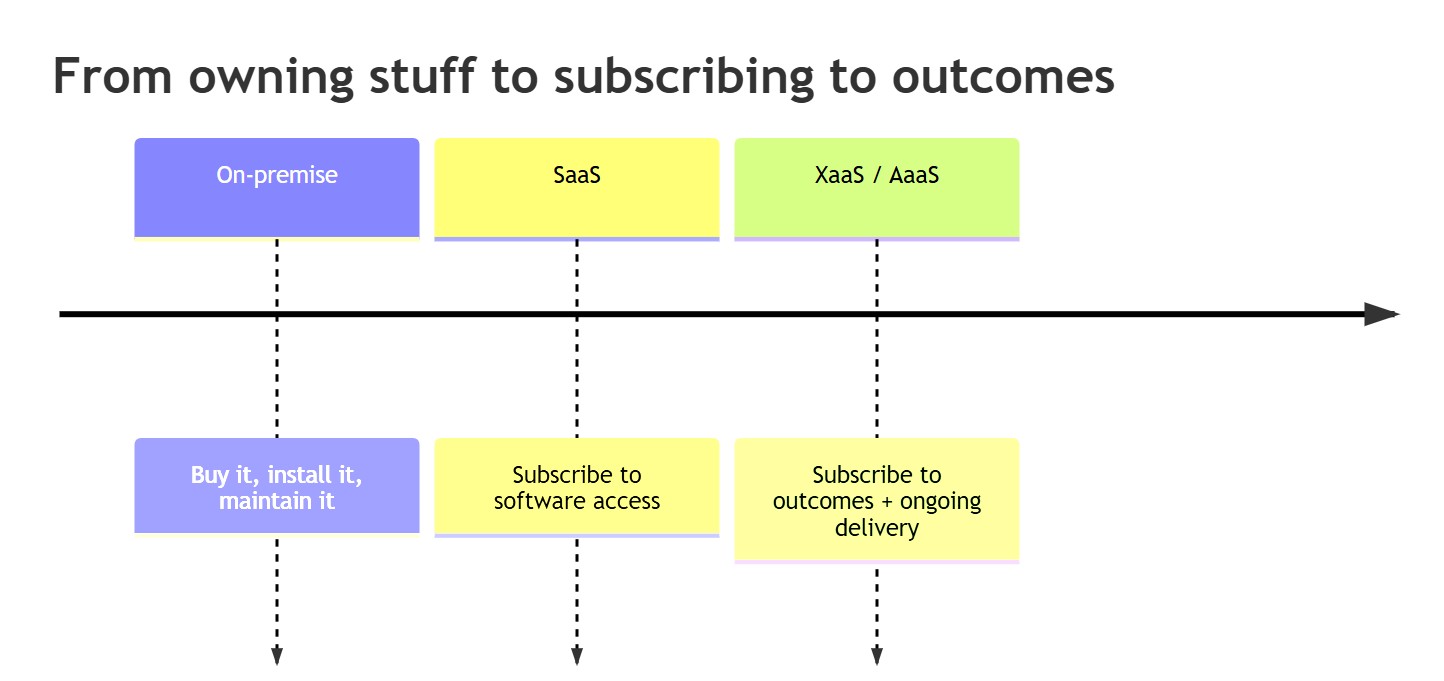
I got (lovingly) accused on a podcast of providing “ass services,” and honestly… fair. For contractors, the win isn’t just buying another software tool—it’s getting reliable, job-level numbers every month: clean job costing, a credible WIP schedule, retainage tracked correctly, and progress billings that match reality. SaaS taught the world to expect subscription access and vendor-managed infrastructure; AaaS takes that expectation and applies it to accounting execution and accountability. This post explains the “Ass Model” (A A A S) with a straight face, a little humor, and some very real construction finance muscle.
How to Learn Construction Accounting
General accounting knowledge won't cut it in construction — the industry has its own financial mechanics, and building real expertise requires deliberate investment in the right resources. The CFMA and its CCIFP certification are the best starting point, offering not just technical depth but the kind of validated confidence that changes how you show up in a room. Layer in CFMA and AICPA conferences for ongoing learning and community, and keep the AICPA Construction Contractor Audit and Accounting Guide on your desk as your authoritative reference.
What Is a Construction Controller and Why Your Company Needs One
Most growing contractors have a bookkeeper, maybe an accountant — but no one who actually owns the financial function. This post breaks down what a construction controller does, how the role differs from other accounting positions, and how to know when it's time to hire one.
ComputerEase Review (2026): What Construction Contractors Should Know Before Switching
ComputerEase is a construction‑first accounting platform built for contractors who’ve outgrown generic tools like QuickBooks. In this review, I break down where it truly stands out in 2026—especially WIP reporting, job costing, and AP workflows—where it’s still evolving, and who it’s best suited for. If you’re a $5M–$50M contractor considering a switch, this is what you should know before you do.
Construction Accounting Services: What to Look for in a Provider
Learn what to look for in a construction accounting service provider, from job costing and WIP reporting to bonding expertise and industry knowledge.
Does Your Controller Understand Construction Accounting? 5 Red Flags and 5 Green Lights
Learn how to tell if your controller understands construction accounting. Discover 5 warning signs and 5 positive indicators every contractor should know.
The Hidden Challenges of Using QuickBooks for Construction Bookkeeping
QuickBooks is a popular choice for contractors, but it often falls short in handling the complexities of construction bookkeeping. This post explores the top challenges contractors face when using QuickBooks, including limited job costing, inadequate WIP reporting, cumbersome retainage tracking, and poor integration with field operations. Learn why these issues matter, how they impact cash flow and profitability, and when it’s time to consider construction-specific accounting software. Discover practical insights to improve financial accuracy and streamline your construction accounting processes.
Direct Labor vs. Indirect Labor in Construction Job Costing: What You Need to Know
Learn the key differences between direct and indirect labor in construction job costing. Discover why proper classification matters, how to track costs accurately, and best practices for overhead allocation.
The Benefits of Preparing a WIP Report in Construction Accounting
Discover why preparing a Work-in-Progress (WIP) report is more than an accounting task—it’s a strategic tool for collaboration, financial accuracy, and early risk detection. Learn how WIP reporting fosters communication between office and field teams, uncovers hidden job performance issues, and strengthens decision-making for construction companies.
Why Contractors Should Use Purchase Orders: Strengthening Internal Controls in Construction Accounting
Purchase orders are more than just paperwork—they’re a powerful internal control tool for contractors. This post explains why implementing a PO system helps prevent unauthorized spending, improves budget control, and creates a clear audit trail, ultimately protecting your construction business from financial risk. Learn best practices for integrating POs into your workflow to boost efficiency and accountability.
Construction Financial Statements: What Makes Them Different and Why It Matters
This blog post explains how construction financial statements differ from standard GAAP, focusing on unique elements like underbillings, overbillings, retainage, and the role of the Work-in-Progress (WIP) schedule. It explores how these accounts impact liquidity, revenue recognition, and cash flow, while offering best practices for accurate reporting and compliance. Readers will gain a clear understanding of why specialized financial reporting is essential in the construction industry.
Payroll and Certified Payroll in Construction: What You Need to Know
This blog post explains the complexities of construction payroll and certified payroll, including prevailing wage requirements, multi-rate pay structures, and compliance obligations for government-funded projects. It outlines how certified payroll reporting works, common challenges, and best practices for accurate job costing and risk reduction. Readers will gain a clear understanding of why specialized processes and tools are essential for managing payroll in the construction industry.
Understanding Construction Billing Methods: A Guide for Beginners
This blog post explains the most common construction billing methods, including progress billing, time and materials, unit price, milestone billing, and AIA forms. It covers how each method works, their impact on cash flow and revenue recognition, and best practices for accurate billing and financial reporting. Perfect for anyone new to construction accounting who wants to understand how billing aligns with project progress and contract terms.
Retainage Accounting in Construction: How It Works and Why It Matters
This blog post explains how retainage works in construction accounting, covering its impact on both accounts receivable and accounts payable. It explores how retainage affects cash flow, financial statements, and project closeout, while offering best practices for tracking and managing retainage effectively. Readers will learn why accurate retainage accounting is essential for maintaining liquidity and financial control.
Understanding Construction Contract Types: Lump Sum, Cost-Plus, Unit Price, and GMP
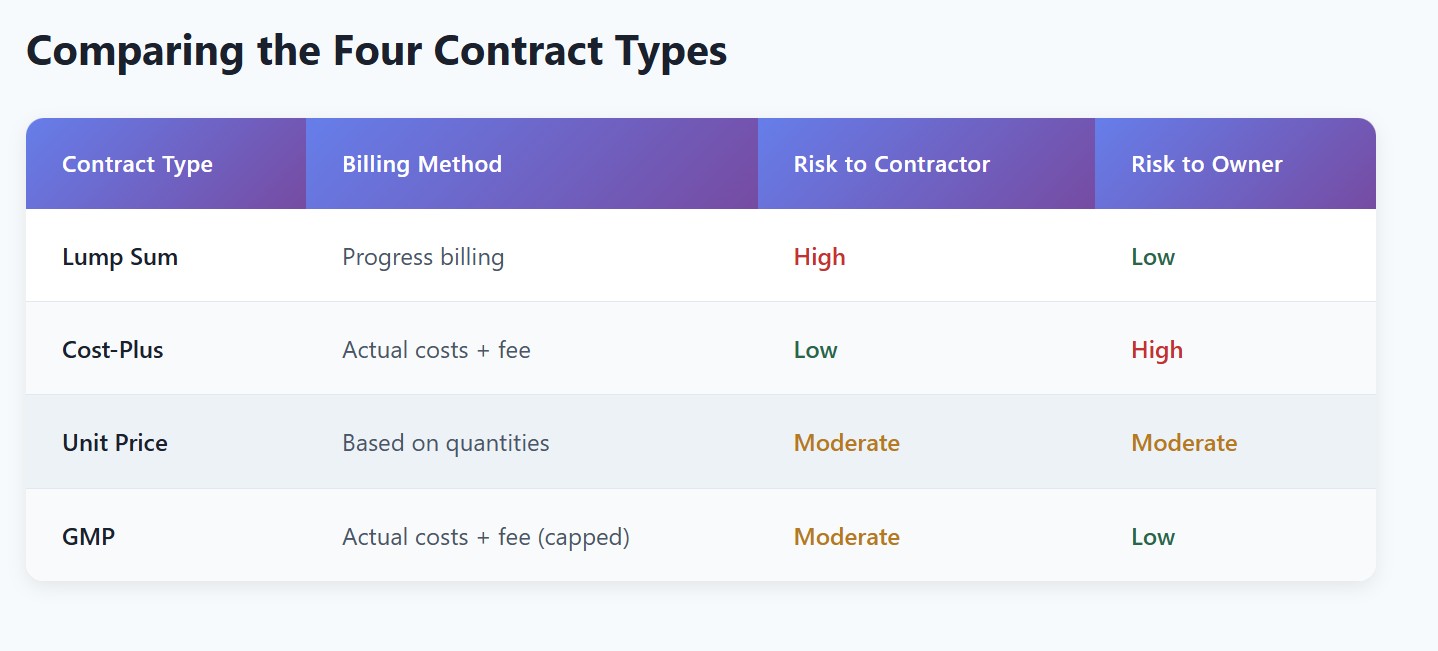
This blog post explains the four most common construction contract types—Lump Sum, Cost-Plus, Unit Price, and Guaranteed Maximum Price (GMP)—and how each impacts billing, risk allocation, and accounting treatment. It highlights the advantages, disadvantages, and best uses for each contract type, helping readers understand how these agreements influence project costs and financial reporting. Perfect for anyone looking to improve contract management and job costing accuracy in construction.
The Basics of WIP Report Preparation in Construction Accounting
The Work-in-Progress (WIP) report is the backbone of construction financial management, tracking project profitability, revenue recognition, and billing status across all active jobs. This guide breaks down the essential components of a WIP schedule and walks through the step-by-step calculations for percentage of completion, earned revenue, and overbilling/underbilling analysis. Whether you're new to construction accounting or looking to refine your process, mastering WIP reporting is critical for accurate financials and proactive project control.
Understanding Phases and Cost Codes for Effective Job Costing in Construction
This blog post explains the importance of phases and cost codes in construction job costing and how they work together to provide accurate cost tracking and reporting. It covers what phases and cost codes are, why they matter, and best practices for setting them up to improve budgeting, forecasting, and profitability. Readers will learn how to structure these elements for better project control and financial insight.
Payroll Services for Contractors: What to Look For and Why It Matters

Construction payroll is uniquely complex—multiple pay rates, prevailing wage compliance, union rules, certified payroll reporting, and multi-state taxes make generic payroll providers a poor fit. The right payroll service should handle these construction-specific demands while integrating seamlessly with your accounting software. Here's what to look for and why choosing a construction-focused provider can save you time, reduce errors, and keep you compliant.
Outsourced Accounting for Contractors: Why It Makes Sense and How to Do It Right
Construction accounting is complex—job costing, WIP reporting, retainage tracking, and compliance requirements demand specialized expertise that many in-house teams lack. Outsourcing gives contractors access to construction-savvy accountants at a fraction of the cost, with the flexibility to scale as workloads change. Learn how to choose the right partner and make outsourcing work for your business.
Common KPIs for Contractors: Measuring What Matters in Construction
KPIs turn raw data into actionable intelligence—but only if you're tracking the right ones. This post covers the metrics that matter most for contractors: financial performance (gross margin, cash flow, over/underbillings), project management (schedule and cost variance, backlog), operational efficiency (labor productivity, equipment utilization, bid-hit ratio), and safety and quality indicators. Start with 8–10 that align with your goals, review them regularly, and use them to drive decisions—not just fill dashboards.
Construction Accounting Basics: What Every Contractor Needs to Know
Construction accounting isn't standard bookkeeping—long-term projects, progress billing, retainage, and fluctuating costs demand specialized practices that most general accountants don't understand. This guide covers the fundamentals every contractor needs: job costing, percentage-of-completion revenue recognition, WIP reporting, change order management, and overhead allocation. Whether you're new to construction finance or tightening up your processes, these basics are the foundation for accurate financials and profitable projects.
Tying the WIP Report to the P&L: What It Means and Why It Matters
Tying your WIP report to your P&L means ensuring the earned revenue and job costs on your WIP schedule match what's showing on your income statement—and if they don't, your financials are lying to you. This post explains why that alignment matters for accurate revenue recognition, reliable job costing, and keeping sureties and lenders confident in your numbers. It walks through the reconciliation process step by step and covers the common pitfalls that throw contractors off track.
Bookkeepers vs. Controllers in Construction: Understanding the Key Differences
Bookkeepers handle the day-to-day—transaction recording, reconciliations, and standard financial statements—while controllers operate at a strategic level, delivering WIP schedules, variance analysis, and forecasts that drive decisions. One ensures your records are accurate; the other ensures your business is financially healthy and profitable. Most growing contractors need both functions covered, whether in-house, outsourced, or a mix of both.
Best Practices in Accounting for Owned Equipment in Construction
Owned equipment is a major investment, but without proper accounting you're flying blind on true job costs and profitability. This post covers how to separate ownership costs (depreciation, insurance, taxes) from operating costs (fuel, maintenance), develop standard internal rates for charging equipment to jobs, and track utilization so idle assets don't silently drain your margins. Whether you're deciding to buy vs. rent or just trying to get accurate job costing, these best practices will sharpen your numbers.
Allocating Indirect Costs in Construction: A Complete Guide
This guide breaks down how to allocate indirect costs—field overhead, home office expenses, equipment, and shared costs—across your jobs so you can see true project profitability instead of inflated margins. It covers the most common allocation methods (labor cost, labor hours, material cost, total direct cost, and hybrid approaches) with guidance on which works best for different types of contractors. Getting this right is essential for accurate bidding, clean financials, and not leaving money on the table.
How to Prepare a Construction WIP Report: A Step-by-Step Guide
This step-by-step guide walks contractors through preparing a WIP report—from gathering contract values and costs to calculating percentage of completion, earned revenue, and the critical overbilled/underbilled comparison. It covers the formulas you need, best practices like monthly updates and cross-team collaboration, and common mistakes that lead to misleading numbers. Whether you're building your first WIP schedule or tightening up your process, this is your practical roadmap.
What is a Construction WIP Report?
This post explains what a construction WIP report is and why it matters—it's a real-time financial snapshot showing whether projects are overbilled or underbilled by comparing costs, billings, and percentage of completion. The article covers key components, debunks common misconceptions (like thinking it's just for accountants or only needed at year-end), and emphasizes that regular WIP reviews are essential for cash flow management, bonding relationships, and catching profit fade early.
The Overhead Problem: Direct Costs vs. Indirect Costs
Most contractors track direct costs but treat overhead like an afterthought—then wonder why their "profitable" jobs don't show up in the bank account. Here's why allocating indirect costs to your jobs matters, and the most common methods to actually do it right.
Accounting for Change Orders in Construction: Getting the Job Cost, Revenue, and WIP Right
Change orders are inevitable in construction—but accounting for them properly is where many contractors lose control of their numbers. This post breaks down the step-by-step process for tracking change order costs, updating contract values, adjusting estimates, and keeping your WIP schedule accurate. Get the basics right, and you'll always know where you stand on every job.
What to Look for in a Construction Controller
The best construction controllers combine technical accounting depth, industry experience, technology proficiency, and intellectual curiosity. Here's what to prioritize when making this critical hire.
Construction Accounting Software
Generic accounting software wasn't built for construction. Learn the five critical capabilities—from WIP schedules to retainage tracking—that make purpose-built construction accounting software essential for contractors who need real financial visibility.
Choosing the Right Payroll Company for Contractors
Generic payroll providers can't handle construction's unique demands. Discover what contractors should look for in a payroll company—from job costing integration to certified payroll reporting and 1099 management.
QuickBooks for Contractors: A Square Peg in a Round Hole?
QuickBooks is solid general-purpose accounting software, but construction accounting has unique requirements that QuickBooks wasn't designed to handle—making it a poor fit for most contractors.
Break the Radius: Why Your Next Great Construction Accountant Probably Doesn't Live Near You
Contractors searching for accountants face a compounding problem: they need someone with strong accounting fundamentals, real construction experience, current availability—and proximity to the office. After 15+ years helping contractors hire for controller and CFO-level roles, I've watched this geographic constraint turn what should be a talent search into a frustrating exercise in compromise. The solution is simpler than most contractors think.
The Two Construction Accountant Hiring Traps (And How to Avoid Them)
Most contractors hire accountants who either lack construction knowledge or lack accounting depth. Learn why local hiring creates this tradeoff—and how expanding your search solves it.
Bookkeeping Pitfalls in Construction
Discover the costly bookkeeping mistakes costing contractors thousands. Learn why general bookkeepers fail construction companies and what specialized construction accounting really requires.
Bookkeeping for Contractors
Learn why construction bookkeeping requires specialized expertise. Discover essential tips for job costing, WIP reporting, retainage tracking, and why generalist bookkeepers often fall short for contractors.
Why Specialized Construction Accounting Matters
Construction companies need specialized accountants who understand project-based financials, complex revenue recognition, and industry-specific compliance—not generalists who lack the expertise to navigate the unique challenges of the construction industry.